There is something quietly satisfying about snipping a few fresh basil leaves for a pasta sauce, or picking mint for a cup of tea, knowing that it grew a few steps from your kitchen. A windowsill herb garden brings that small pleasure within reach, even if you have no garden at all.
You do not need a greenhouse, a large balcony or any previous experience. A sunny windowsill, a few pots, some compost and a handful of young plants are enough to begin. Herbs are forgiving, and most common kitchen herbs will thrive indoors if they get enough light and are not overwatered.
The best herbs for beginners
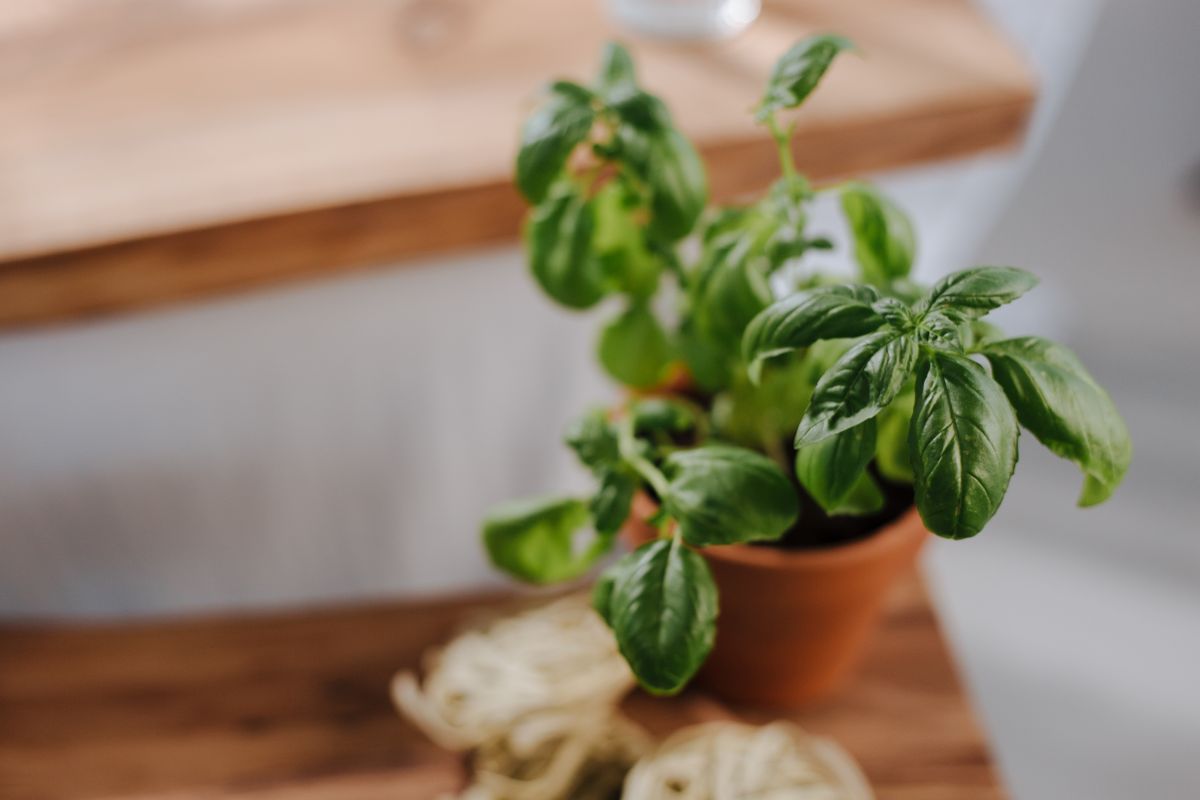
Basil is the classic first herb, and for good reason. It grows quickly, smells wonderful, and suits pasta, salads, tomatoes and pesto. It loves warmth and sunshine, so it is happiest on a bright windowsill in the warmer months.
Mint is almost impossible to kill, which makes it a reassuring choice for a first garden. It is lovely in tea, with peas and potatoes, and in summer drinks. Mint is also famously vigorous, so always give it a pot of its own. Parsley and chives are two more reliable choices: flat-leaf parsley suits soups and salads, while chives are mild, oniony and quick to regrow after cutting.
| Herb | Light | Water | Good with |
|---|---|---|---|
| Basil | Lots of sun | Regular, keep moist | Pasta, tomatoes, salads |
| Mint | Sun or part shade | Regular, keep moist | Tea, peas, summer drinks |
| Parsley | Sun or part shade | Regular, keep moist | Soups, salads, sauces |
| Chives | Lots of sun | Light, let dry a little | Eggs, potatoes, salads |
Pots, soil and drainage
Herbs do not need fancy containers, but they do need drainage. Whatever pots you choose, make sure they have holes in the bottom so excess water can escape. Without drainage, the roots sit in water, and most herbs dislike that far more than they dislike being a little dry.
Terracotta pots are a popular choice because they look lovely and allow the soil to breathe, although they dry out faster than plastic ones. Plastic pots are lighter, cheaper and hold moisture for longer, which can be handy if you sometimes forget to water. A pot around 15 centimetres across is a good size for a single herb plant.
Light, warmth and position
Light is the single most important factor for a windowsill herb garden. Most kitchen herbs need several hours of direct sunshine a day, so a south-facing windowsill is ideal in the northern hemisphere, with a west-facing one as a good second choice.
Watch how the light moves through the day before you commit to a spot. A windowsill that looks bright in the morning may be shaded by afternoon, and a sill above a radiator can dry pots out quickly in winter. Turn your pots every few days so all sides of the plant get light, keeping growth even rather than stretched in one direction.
Watering and feeding
Watering is where most beginners go wrong, usually by giving too much rather than too little. The best rule is simple: check the soil before you water. Push a fingertip into the compost, and if the top couple of centimetres feel dry, it is time to water. If it still feels damp, wait another day.
Water at the base of the plant, aiming for the soil rather than the leaves, and let any excess drain away. Empty the saucer after a short while, so the pot is not left standing in water. In summer, you may need to water every day or two; in winter, once a week may be enough. Herbs do not need much feeding either: a light liquid feed every few weeks is usually plenty.
Harvesting and keeping plants going
Harvesting is the best part, and it also helps the plant. Regular picking encourages bushy growth, so do not be shy about using your herbs. For basil, pinch the top leaves just above a pair of smaller leaves, and the plant will branch out from that point.
Try to harvest in the morning, when the leaves are fresh and the flavour is at its best. Take only what you need for a meal, and leave at least a third of the plant untouched so it can recover. If a plant starts to flower, pinch the flower buds off, as flowering often signals the end of good leaf production.
Frequently Asked Questions
Do I need a south-facing window for herbs? It helps, but it is not essential for every herb. Basil and chives prefer plenty of sun, while mint and parsley cope with less. Choose herbs that suit the light you have, and put the sun-lovers in the brightest spot available.
How often should I water windowsill herbs? Check the soil first and water only when the top feels dry. In summer that may be every day or two, and in winter it may be once a week. Overwatering is more common than underwatering, so when in doubt, wait a day.
Can I grow herbs from seed on a windowsill? Yes, many herbs grow well from seed, although it takes longer than buying young plants. Basil, parsley and chives are all straightforward from seed. Follow the packet instructions for depth and timing, and keep the compost damp until the seedlings appear.
What should I do if my herbs look leggy or pale? They are usually asking for more light. Move them to a brighter windowsill, turn the pots regularly, and pinch back the longest stems to encourage bushier growth. Pale leaves can also mean the compost is tired, so consider repotting with fresh compost.